
Blogs
Stay informed about your heart health with expert insights from Dr. Kiran Narang, a trusted interventional cardiologist in Mumbai. From understanding warning signs of blocked arteries to learning about procedures like angiography, angioplasty, pacemaker surgery, and 2D echocardiography, explore easy-to-understand articles designed to help you make informed decisions about your cardiac care.
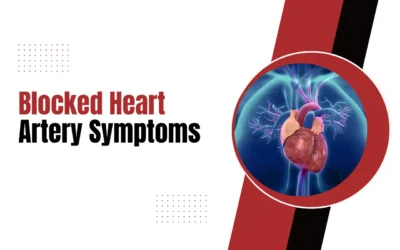
What Are the Symptoms of Blocked Heart Arteries?
Blocked heart artery symptoms include chest pain or pressure, shortness of breath, unusual fatigue, pain that spreads to the arm, shoulder, neck, or jaw, dizziness or lightheadedness, sweating, nausea, and an irregular or rapid heartbeat. Some people experience heart...
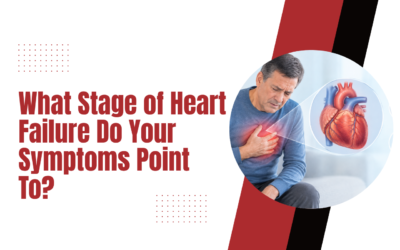
What Stage of Heart Failure Do Your Symptoms Point To?
Breathless on the stairs? Ankles a bit swollen by evening? Most people blame a long day or being out of shape. Fair enough, sometimes that's all it is. But heart failure doesn't announce itself loudly. Doctors track it across four stages, A to D, based on what's...
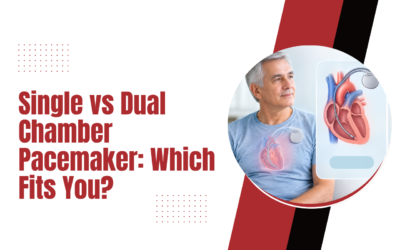
Single vs Dual Chamber Pacemaker: Which Fits You?
Not every pacemaker does the same job. A single-chamber pacemaker gets by on one wire, pacing just one heart chamber. A dual-chamber pacemaker uses two, running the upper and lower chambers together so they beat in the right order. Sounds like a small difference. It...
What Are the Warning Signs That You Need Interventional Cardiology?
Chest pain or pressure that doesn't let up with rest, breathlessness during things that used to feel easy, dizziness or fainting spells, fatigue that doesn't have an obvious cause, or leg pain that shows up while walking are the kinds of warning signs that usually...
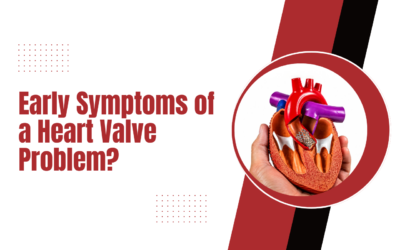
Early Symptoms of a Heart Valve Problem?
Many people with early heart valve problems have no symptoms at all. That's actually what makes valve disease tricky to catch early. When subtle signs do start showing up, they tend to develop slowly rather than announce themselves clearly, unusual fatigue, mild...
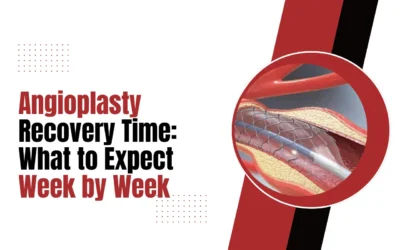
Angioplasty Recovery Time: What to Expect Week by Week
Most patients are back to their daily activities within about a week of angioplasty, though full recovery, meaning exercise, driving, and physically demanding work, usually takes closer to 2 to 4 weeks, and the exact number depends on whether the procedure went...
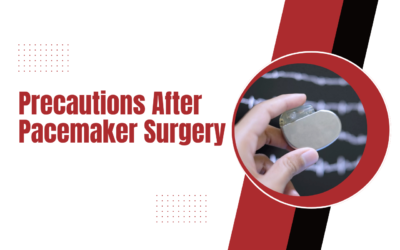
Precautions After Pacemaker Surgery?
A pacemaker keeps your heart rhythm steady, but the first few weeks after implantation matter just as much as the device itself. Avoid lifting anything heavier than 10 pounds, keep the arm on the implant side below shoulder height, and hold off on driving for at least...
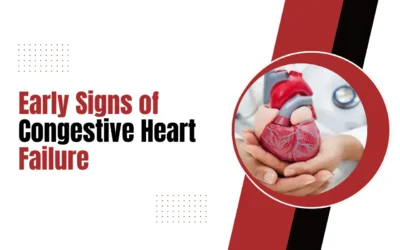
Early Signs and Symptoms of Congestive Heart Failure You Shouldn’t Ignore
The early signs of congestive heart failure include breathlessness during everyday activity, persistent fatigue, swelling in the ankles or legs, difficulty breathing while lying flat, and sudden weight gain from fluid retention. These symptoms usually develop...
Hypertension in Your 30s: Why More Young Indians Are Being Diagnosed
You went in for a routine check-up, maybe for a job medical or an insurance test, and the number on the BP cuff came back higher than expected. You are 32, you feel fine, and the word "hypertension" was the last thing you expected to hear. It is an increasingly common...
High Blood Pressure & Your Heart
At 130/80 mmHg, the arterial walls start absorbing mechanical stress with every heartbeat. Most patients feel nothing at that threshold. Nothing at 140. Often nothing at 160. The absence of symptoms is not reassurance. It is the mechanism by which hypertension does...