

12+
Years
Interventional Cardiologist
Meet Dr. Kiran Narang
Dr. Kiran Narang is one of the few interventional cardiologists in India to complete his cardiology residency before turning 30. He now runs Hridyarambh Clinic, his own clinic in Marol, Andheri East. His approach blends technical skill with genuine compassion for every patient.
Experience & Expertise
Qualifications
MBBS, MD (Internal Medicine), DM (Cardiology), DNB (Cardiology)
Years of Experience
Over 12 years in clinical medicine, with 8+ years dedicated to cardiology
Specializations
Interventional Cardiology, Coronary Angiography, Coronary Angioplasty and Stenting, Pacemaker and ICD Implantation, 2D Echocardiography (including TEE), Management of Cardiac Emergencies, Hypertension, and Cardiodiabetes Care
AVAILABLE 24/7
Years of Cardiac Expertise
Advanced Angioplasty & Stenting
Rated on Google by Patients
Procedural Success Rate
Approach to Patient Care
Dr. Narang believes no two hearts are the same. That’s why his care is built on three simple pillars:

Personalized treatment
The treatment is individualized according to patient history, risk profile, and lifestyle; he does not adopt a one-size-fits-all attitude.
Evidence-based approach
His decisions are based upon current international cardiology guidelines (ESC, ACC, CSI) and the latest peer-reviewed research.
Long-term heart health
Structured follow-ups, lifestyle counseling, and proactive control of comorbidities like diabetes and hypertension protect your heart for years to come.
He combines technical precision in the catheterization lab with a calm, patient-friendly bedside manner — a balance that has earned him trust across Mumbai.
Which cardiac procedures can you access under one roof? Let’s dive into the full range of treatments Dr. Narang offers.
Advanced Cardiac Treatments Offered

2D Echocardiography
A non-invasive ultrasound that maps the heart’s chambers, valves, and blood flow in real time. Dr. Narang performs adult, pediatric, and transesophageal (TEE) studies to detect valve disease, cardiomyopathy, and clots early.

Angiography
The gold standard for detecting artery blockages. Dr. Narang uses both radial (wrist) and femoral (groin) routes, with the radial approach preferred for faster recovery and a lower risk of bleeding.

Angioplasty
Balloon angioplasty with stent placement reopens blocked arteries and prevents heart attack damage. Dr. Narang has completed around 1,500 cases, including multi-vessel disease, calcified lesions, and emergency interventions.

Pacemaker Implantation
A pacemaker restores a normal heart rhythm in patients with slow or irregular heartbeats and prevents fainting or sudden cardiac events. Single-chamber, dual-chamber, and ICD implants are offered based on individual risk.

Cardiodiabetes Management
Diabetes can silently damage the heart and arteries, often without warning. Dr. Narang screens for cardiac risk and manages cholesterol. This helps prevent heart attacks and strokes, which are far more likely in diabetic patients.

Hypertension Treatment
Uncontrolled high BP is a leading cause of stroke and heart failure in India. Treatment combines medication, dietary guidance, and monitoring tailored to the patient’s readings, age, and risk profile.
Concerned about your heart health? Reach out to a seasoned expert and get a complete cardiac assessment and a clear treatment plan.
Conditions Treated by Dr. Kiran Narang

Coronary artery disease
Plaque buildup narrows the heart’s arteries, leading to chest pain, angina, or a heart attack.

Valvular heart disease
Heart valves either narrow or leak, leading to breathlessness, fatigue, or a detectable murmur.

High blood pressure
Silently strains the heart, kidneys, and brain, often without symptoms until a complication appears.

Arrhythmias
Irregular electrical activity causes palpitations, dizziness, or fainting episodes.

Diabetes-related heart complications
Long-standing diabetes accelerates arterial damage and can trigger silent heart attacks without chest pain.

Heart failure
The heart’s pumping efficiency drops, causing breathlessness, swollen ankles, and persistent fatigue.
Now, let’s discuss the specific strengths that set Dr. Narang apart from Mumbai’s many other cardiologists.
Why Choose Dr. Kiran Narang for Heart Care in Mumbai
At Hridyarambh Clinic, patients get more than a diagnosis — they get a partner in long-term heart health. Here’s what sets Dr. Narang’s care apart:
Advanced interventional techniques
Skilled in radial and femoral approaches, complex angioplasty, FFR-guided decision-making, and device implantation.
Patient-centric care
Every consultation begins with listening — symptoms, fears, and goals are all on the table before treatment is discussed.
Accurate diagnosis
Detailed evaluation using ECG, echocardiography, stress tests, and angiography ensures nothing is missed.
Minimally invasive procedures
Most interventions are performed through the wrist artery, reducing pain, recovery time, and hospital stay.
Excellent success rates
A consistent track record across roughly 5,000 angiograms and 1,500 angioplasties.
Expert in Complex Heart Conditions
Expertise in treating coronary artery disease, hypertension, heart failure, and other complex cardiac issues with proven methods and techniques.
When does chest pain or fatigue actually need a specialist’s eye? Let’s explore the warning signs that should never be ignored.
Signs You Should See an Interventional Cardiologist
Don’t wait for an emergency. Schedule a consultation if you notice any of the following:

Chest pain or discomfort
Especially on exertion or stress, or pain radiating to the arm, jaw, or back
Shortness of breath
Difficulty breathing during routine activity or while lying flat
Irregular heartbeat
Palpitations, skipped beats, or a racing heart with no clear trigger
High BP or diabetes
Newly diagnosed or poorly controlled — both are major cardiac risk factors
Family history of heart disease
A parent or sibling with early heart attack or sudden cardiac death
Swelling in legs or ankles
Often an early sign of underlying heart failure
Unexplained fatigue
Feeling drained without a clear reason can indicate reduced cardiac output
According to the World Health Organization, cardiovascular diseases are the world’s leading cause of death. They claim an estimated 17.9 million lives every year. This makes early consultation with a specialist one of the most important steps for long-term heart health.
Notice any of these symptoms? Connect with a specialist to rule out the serious causes early.
Nervous about your first cardiology consultation? Let’s dive into exactly what happens from check-in to treatment plan.
What to Expect During Your Visit Initial Consultation
Initial Consultation
Your visit starts with a detailed discussion of your symptoms, medical history, and lifestyle. Dr. Narang then checks your pulse, blood pressure, and heart sounds. He also reviews any previous reports you bring along.
Diagnostic Tests
Depending on your symptoms, tests like an ECG, 2D echocardiogram, stress test, or blood work may be recommended. Dr. Narang explains each test clearly, so you always know why it’s needed and what the results mean.
Treatment Planning
Following the results of your tests, Dr. Narang will discuss your diagnosis and treatment options with you and your family members. This can include changes in diet and lifestyle to medication, angioplasty, and pacemaker implantation. The treatment will be tailored to suit your health needs.
What do Dr. Narang’s patients actually say after their treatment? Let’s discover their stories, told in their own words.
Patient Testimonials




Latest Blogs
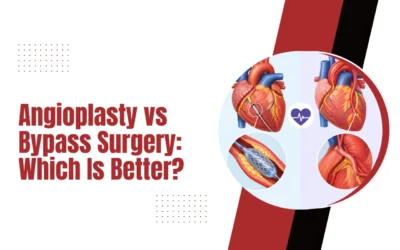
Angioplasty vs Bypass Surgery: Which Is Better?
Angioplasty and bypass surgery are two common treatments for blocked coronary arteries, but the right choice depends on the number, location and severity of blockages, along with the patient’s overall health. Understand the differences between these procedures, their benefits, risks and recovery to learn how doctors determine the most suitable treatment.

Heart Attack vs Panic Attack
A heart attack and a panic attack can produce remarkably similar symptoms. Chest pain, breathlessness, sweating, and a racing heart can occur with either. A few patterns may help distinguish them. Heart attack symptoms can develop gradually and may worsen with...

Signs of a Heart Attack in Women
Most people picture a heart attack as someone clutching their chest. For women, it often doesn't look like that at all. Chest discomfort or pressure still shows up, but so does breathlessness, unusual tiredness, nausea, cold sweats, pain in the back or jaw. Sometimes...
FAQs
What is the difference between a cardiologist and an interventional cardiologist?
A general cardiologist diagnoses and medically manages heart conditions. An interventional cardiologist additionally performs catheter-based procedures such as angiography, angioplasty, stenting, and device implantation.
When should I see an interventional cardiologist?
You should consult one if you have chest pain, breathlessness on exertion, palpitations, uncontrolled BP or diabetes, a strong family history of heart disease, or if your physician has detected a cardiac abnormality.
Where is Dr. Kiran Narang's clinic located in Mumbai?
What are the warning signs of a heart attack?
Chest pain or pressure, pain spreading to the left arm, jaw, or back, breathlessness, sweating, and nausea are the key warning signs. Call for emergency care immediately if these occur.
What is the cost of angioplasty in Mumbai?
The cost varies based on the number of stents, type of stent, and the hospital. Dr. Narang’s team can provide a clear, written estimate after reviewing your angiogram results.