
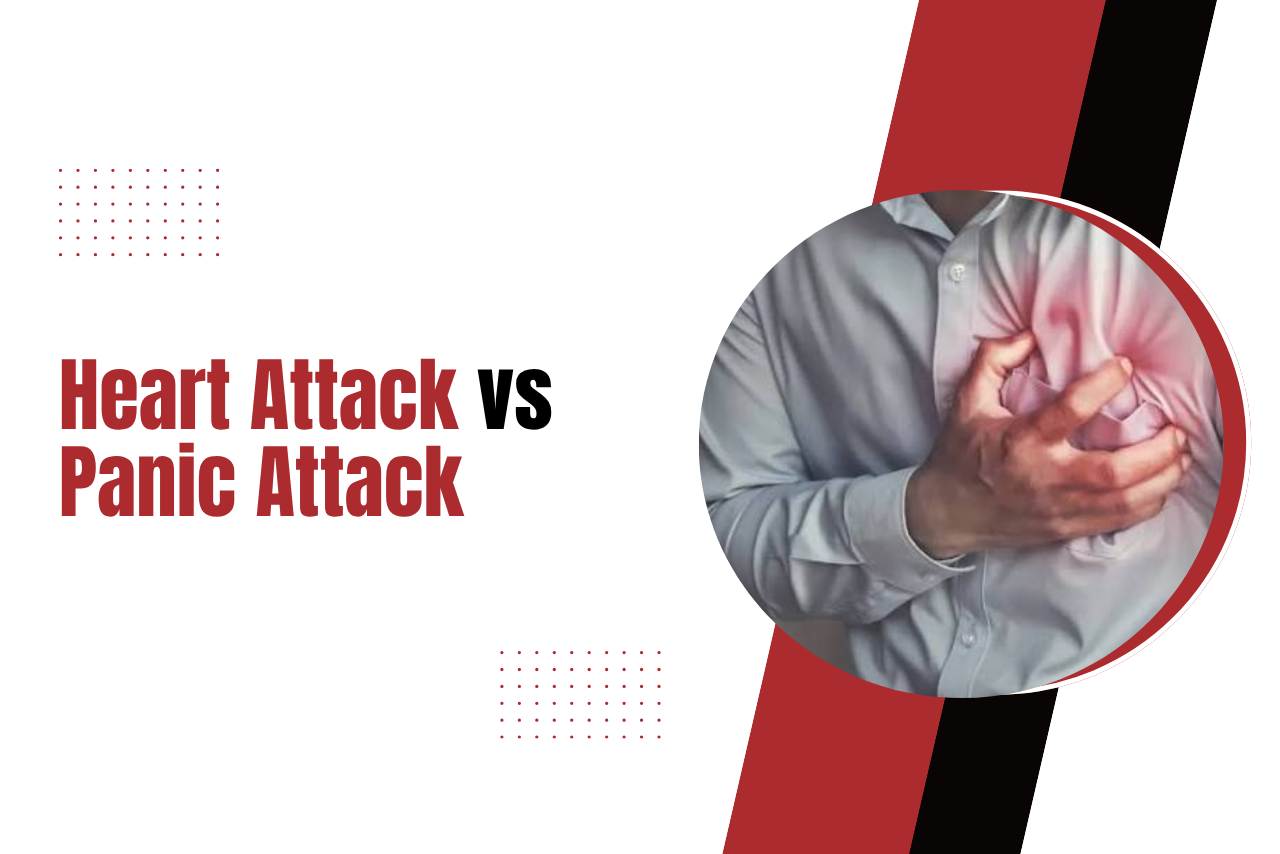
A heart attack and a panic attack can produce remarkably similar symptoms. Chest pain, breathlessness, sweating, and a racing heart can occur with either. A few patterns may help distinguish them. Heart attack symptoms can develop gradually and may worsen with physical activity, while a panic attack often reaches peak intensity within several minutes before gradually easing.
The overlap, however, is significant enough that self-diagnosis is not advisable. Any sudden, severe, or unexplained chest pain warrants medical evaluation rather than assumption.
According to Dr. Kiran Narang, an experienced interventional cardiologist in Mumbai, people can sometimes mistake one condition for the other because the physical sensations are so similar. Someone may assume chest pain is caused by anxiety when there is an underlying heart problem, while someone experiencing a panic attack may fear that they are having a cardiac event.
At Dr. Kiran Narang’s clinic in Marol, Andheri East, chest pain can be assessed based on symptoms, medical history, risk factors, and appropriate cardiac tests. Understanding the differences can help people recognise when medical attention is needed.
Why Heart Attacks and Panic Attacks Feel Similar?
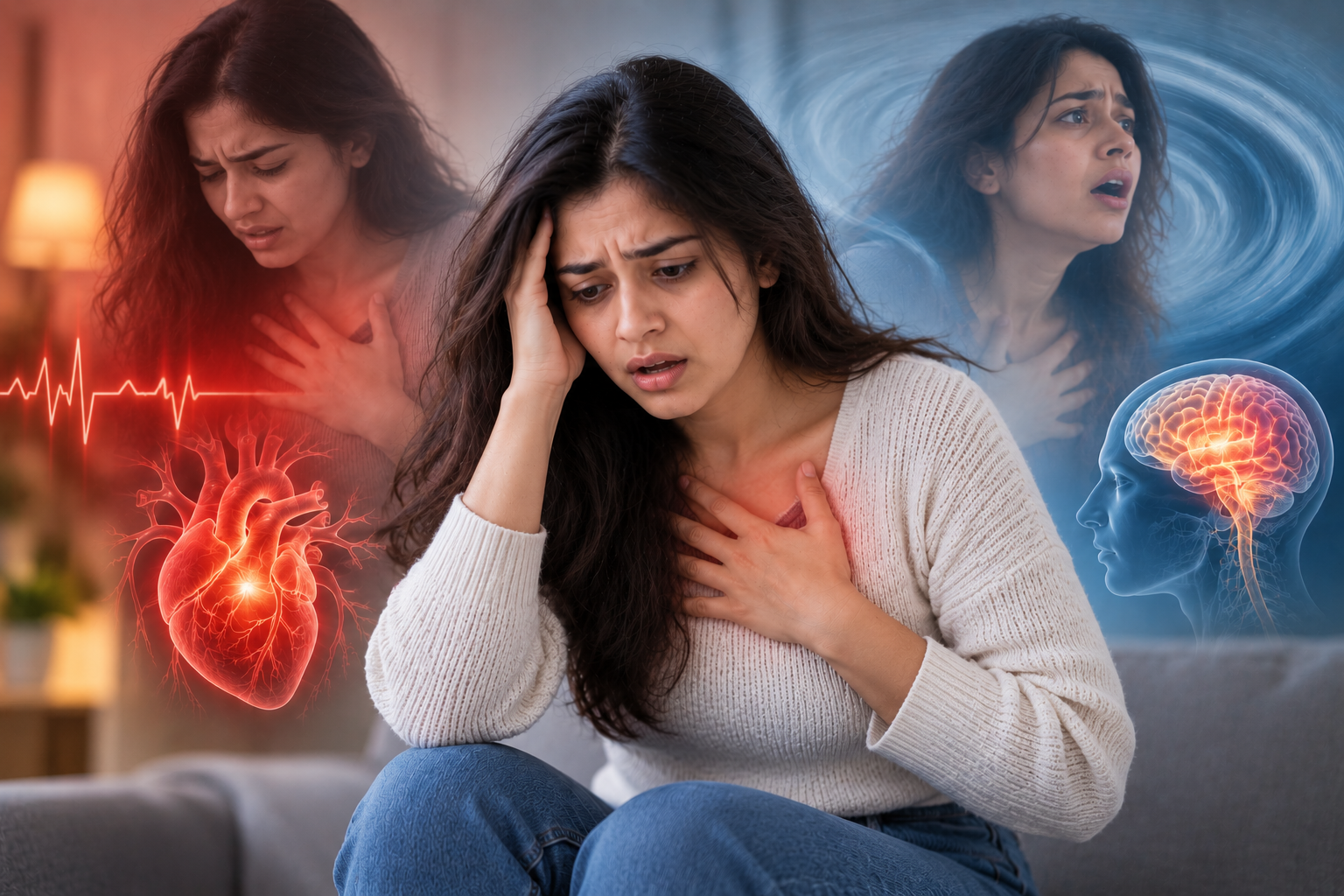
Both conditions can activate the body’s stress response and cause the release of adrenaline. This can increase the heart rate, tighten the chest, and affect breathing.
From the person’s perspective, these physical sensations can feel very similar even though the underlying causes are different. Sweating, nausea, dizziness, palpitations, and a feeling of fear or uneasiness can occur with both conditions.
This overlap is one reason panic attacks may sometimes be mistaken for cardiac problems. At the same time, genuine heart symptoms can occasionally be dismissed as anxiety, particularly in someone who has experienced panic attacks before.
Heart Attack vs Panic Attack: Key Differences
There is no single symptom that can reliably distinguish a heart attack from a panic attack. However, certain patterns may provide useful clues.
What to Notice | Heart Attack | Panic Attack |
How it starts | May develop gradually over several minutes | Often starts suddenly and reaches peak intensity within minutes |
Chest discomfort | Often described as pressure, squeezing, heaviness, or tightness | May feel sharp, tight, stabbing, or uncomfortable |
Where it spreads | May spread to the arm, jaw, neck, shoulder, or back | Usually remains around the chest, although symptoms can vary |
Possible triggers | May occur during exertion or at rest | May follow stress, fear, or a specific situation, but can also occur unexpectedly |
How long it lasts | May persist, worsen, or return | Often peaks within minutes and gradually settles |
Breathing | Breathlessness may occur and can be worse with exertion | Rapid breathing, tingling, or a feeling of not getting enough air may occur |
Emotional symptoms | Anxiety or fear can occur, particularly during a serious cardiac event | Intense fear, dread, or fear of dying or losing control is common |
These patterns are only general indicators and should not be used to diagnose the cause of chest pain. Heart attacks do not always follow a typical pattern, and panic attacks can feel extremely intense.
Symptoms Associated With a Heart Attack
Certain symptoms may raise concern about a cardiac cause, particularly when they occur together:
- Chest pressure, heaviness, or squeezing that does not settle
- Chest discomfort that occurs or worsens with physical activity
- Pain or discomfort spreading to the arm, jaw, neck, shoulder, or back
- Breathlessness, particularly when it occurs with exertion
- Cold or unusual sweating
- Nausea or vomiting along with chest discomfort
- Symptoms occurring in someone with risk factors such as diabetes, high blood pressure, high cholesterol, smoking, or a family history of heart disease
These symptoms require prompt medical assessment rather than an attempt to determine the cause at home.
Symptoms Associated With a Panic Attack
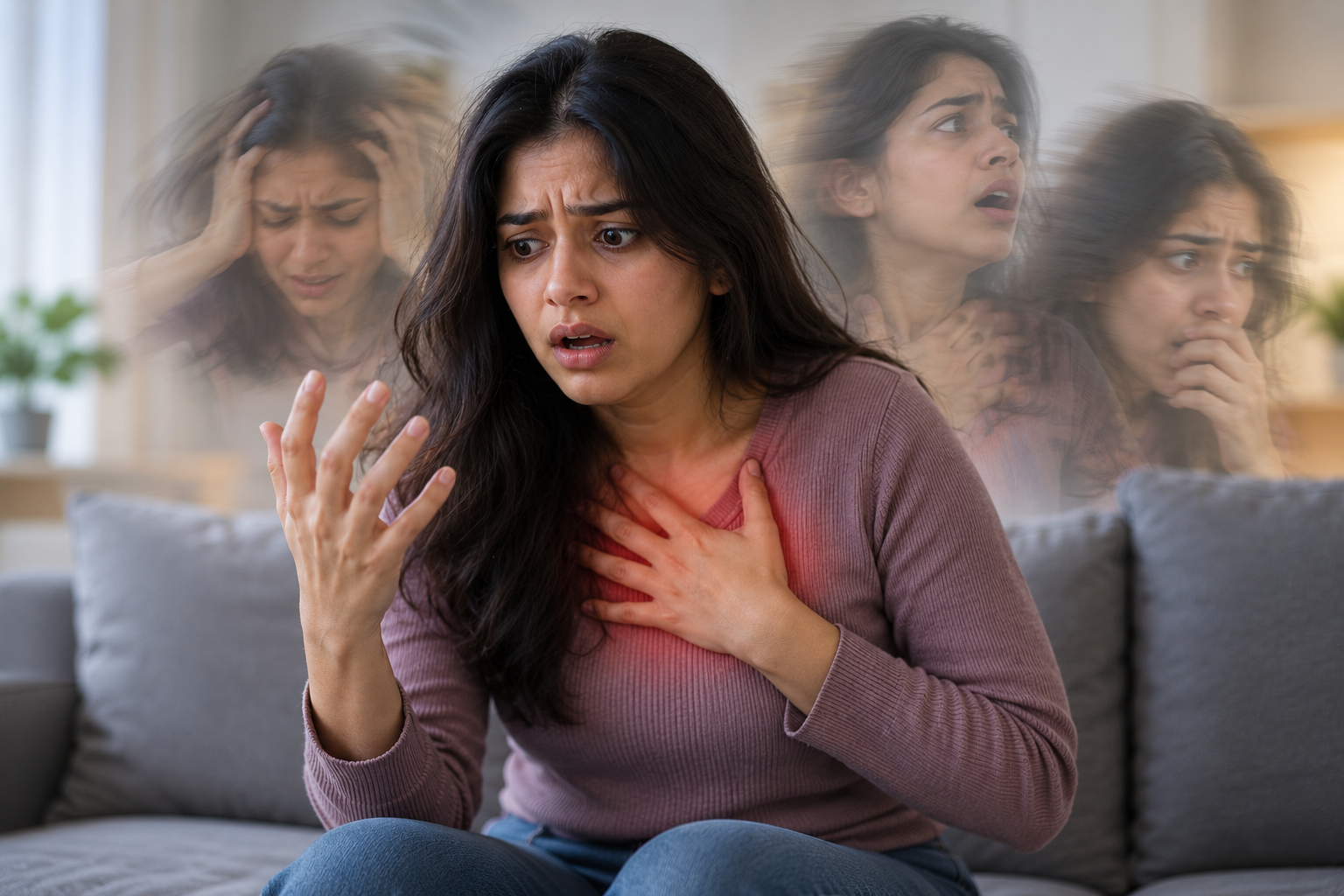
A panic attack may produce a different pattern of symptoms, although these features do not completely rule out a heart problem.
Common features include:
- Sudden, intense fear or discomfort
- Symptoms reaching peak intensity within several minutes
- Rapid heartbeat or a strong awareness of the heartbeat
- Rapid breathing or a feeling of being unable to breathe normally
- Tingling or numbness in the fingers or around the mouth
- Dizziness or light-headedness
- A strong fear of dying, losing control, or something terrible happening
- Symptoms occurring during or following intense stress, although panic attacks can also occur without an obvious trigger
If the symptoms are new, unusually severe, or different from previous panic attacks, medical evaluation is still important.
The Risks of Self-Diagnosing Chest Pain
Trying to determine the cause of chest pain based only on symptoms can be risky. Assuming that chest pain is “just anxiety” may delay treatment when a blocked coronary artery is involved. Early treatment can be important during a heart attack.
At the same time, someone with recurrent panic attacks may become increasingly worried about every episode of chest discomfort. This can reinforce the cycle of fear and anxiety.
A proper medical evaluation is therefore more reliable than trying to diagnose the episode based on how it feels. This is particularly important when symptoms occur for the first time or when an established pattern suddenly changes.
What to Do When You Cannot Tell the Difference
If chest pain or related symptoms are new, severe, persistent, or different from anything experienced before, seek urgent medical attention rather than waiting to see if they disappear.
Someone with a previously diagnosed panic disorder who recognises their usual symptoms may use the coping strategies recommended by their healthcare professional. However, they should not automatically assume that every episode of chest discomfort is anxiety.
Closer medical evaluation is especially important when:
- The pain is more severe or lasts longer than usual
- New symptoms develop
- The symptoms occur during physical activity
- There is a history of heart disease or significant cardiac risk factors
- The symptoms feel different from previous panic attacks
- There is uncertainty about the cause
People Who May Misinterpret These Symptoms
Certain situations can make it harder to identify the cause of chest symptoms.
People with anxiety or panic disorder: A known history of panic attacks may lead someone to assume that new chest symptoms are anxiety-related, even when the pattern has changed.
Women: Heart attack symptoms in women can sometimes be less typical and may include breathlessness, nausea, unusual fatigue, or discomfort in areas other than the chest. Some of these symptoms can overlap with anxiety or panic symptoms.
Younger adults: Because heart attacks are less expected at a younger age, chest discomfort may be attributed to stress, anxiety, acidity, or another non-cardiac cause without proper evaluation.
The presence of one of these factors does not determine the cause of symptoms. Medical assessment is still the safest way to distinguish between them.
How Doctors Diagnose the Cause of Chest Pain
Doctors do not rely on symptoms alone when evaluating possible heart-related chest pain. The assessment may include the person’s medical history, physical examination, ECG, blood tests, and other cardiac investigations when required.
- ECG: An electrocardiogram records the heart’s electrical activity and can help identify changes associated with a heart attack.
- Troponin blood test: Troponin is a protein released into the blood when heart muscle is damaged. Serial testing may be used when a heart attack is suspected.
- 2D echocardiography: An echocardiogram uses ultrasound to assess the heart’s structure, movement, and pumping function.
- Coronary angiography: This test can be used when doctors need to examine the coronary arteries for blockages.
The exact tests depend on the person’s symptoms and clinical assessment. These investigations provide much more reliable information than trying to distinguish a heart attack from a panic attack based only on symptoms.
When to See a Cardiologist for Chest Pain?
Chest pain should not automatically be attributed to anxiety, especially when it is new, persistent, severe, or associated with breathlessness, sweating, nausea, dizziness, or pain spreading to the arm, jaw, neck, or back.
Dr. Kiran Narang is an interventional cardiologist with more than 12 years of clinical experience and qualifications including MBBS, MD, DM Cardiology, and DNB Cardiology. His practice provides cardiac evaluation and investigations including ECG, 2D echocardiography, and angiography.
The clinic is located at Hridyarambh Clinic, Vasant Oasis, Makwana Road, Marol, Andheri East, Mumbai.
If you are experiencing unexplained or recurring chest pain and are unsure whether it may be related to your heart, book a consultation with Dr. Kiran Narang for an appropriate cardiac evaluation.
FAQ’s
Can a panic attack feel exactly like a heart attack?
The symptoms can overlap significantly. Both may cause chest discomfort, breathlessness, sweating, a racing heartbeat, dizziness, and fear. Because the symptoms can be difficult to distinguish, new or severe chest pain should be medically evaluated.
What is the fastest way to tell if chest pain is serious?
There is no reliable self-check that can determine the cause of chest pain. Severe, new, persistent, or worsening chest pain should be treated seriously and evaluated promptly.
Does a panic attack show up on an ECG?
A panic attack does not typically cause the ECG changes associated with a heart attack. However, an ECG is only one part of a cardiac evaluation and should be interpreted by a healthcare professional.
Can anxiety actually cause heart problems over time?
Long-term stress and anxiety may be associated with cardiovascular risk, although a single panic attack does not usually cause permanent damage to the heart. Managing ongoing anxiety and cardiovascular risk factors is important for overall health.
Should someone with panic disorder still go to the ER for chest pain?
Yes, particularly when the chest pain is new, severe, persistent, or different from previous panic attacks. A history of panic disorder does not completely rule out a heart-related cause.