
Chest pain or pressure that doesn’t let up with rest, breathlessness during things that used to feel easy, dizziness or fainting spells, fatigue that doesn’t have an obvious cause, or leg pain that shows up while walking are the kinds of warning signs that usually point toward needing an interventional cardiologist, especially once test results start showing blocked arteries, valve problems, or an abnormal heart rhythm alongside them, since at that point medication and lifestyle changes on their own usually aren’t enough anymore, and catheter-based treatment starts becoming the real conversation.
Most people hold off until something dramatic happens, crushing chest pain being the example everyone pictures, before it even occurs to them to see a heart specialist, when in reality the body tends to send out smaller, far easier to brush off signals long before it ever gets to that point. Catching those earlier signs, and knowing when a routine cardiology visit isn’t quite enough anymore, can end up being the difference between a procedure that’s planned in advance and one that happens as an emergency.
If a doctor has already told you that your symptoms need more than medication and lifestyle changes, it’s probably time to consult an interventional cardiologist in Mumbai. The difference from a general cardiologist comes down to training: an interventional cardiologist is equipped to actually diagnose and treat blockages and structural heart problems using catheter-based, minimally invasive techniques, rather than sending someone straight to open-heart surgery. What follows walks through the common symptoms, the diagnosed conditions, and the everyday warning signs that tend to point toward needing this kind of specialised care.
Common Symptoms You Shouldn't Brush Aside
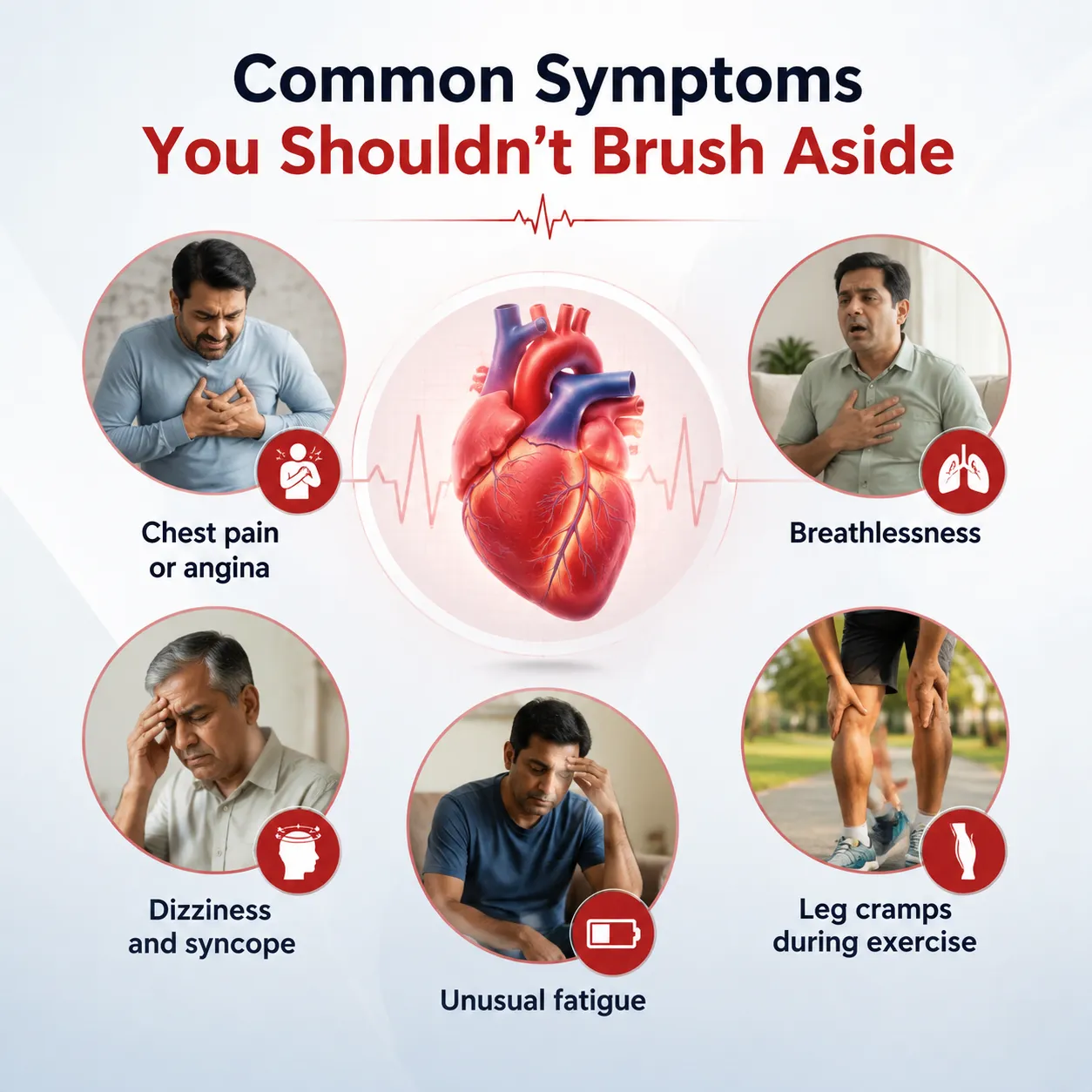
A lot of these symptoms overlap with everyday tiredness or minor aches, which is exactly why they get ignored. Here’s what actually warrants a closer look:
- Chest pain or angina – It refers to the feeling of discomfort or a tightening sensation in the chest region that does not disappear with resting, or that appears consistently whenever you engage in physical exercise. It is perhaps one of the most obvious signs of a reduced flow of blood towards the heart.
- Breathlessness – Whenever you have difficulty breathing during light exercise or even while resting, it may indicate that there is something wrong with your heart or a narrowing of your heart arteries, thus restricting blood circulation.
- Dizziness and syncope – Dizziness or fainting are usually caused by arrhythmias or a reduction in the amount of blood delivered to the brain.
- Unusual fatigue – Feeling unusually tired for no reason at all can mean that your heart is failing to pump blood effectively.
- Leg cramps during exercise – Leg cramps while walking, but not during resting, might be a symptom of peripheral artery disease. This condition shares a similar mechanism as that of a clogged coronary artery.
Diagnosed Conditions That Need Specialised Care
In this case, the warning sign may be a test result and the conditions listed below will require the interventional cardiology attention as opposed to pharmacological therapy:
1) The blocked arteries (coronary artery disease or severe arterial blockage found via cardiac tests or angiogram);
2) Valvular problems with the heart (valves are not closing or opening appropriately and have effect on the heart pumping efficiency that is detected with 2D echocardiography);
3) Heart arrhythmia (rhythm problems severe enough to need some device-based intervention like pacemaker installation); and
4) Acute heart attack or myocardial infarction that should be treated by urgent angioplasty.
Everyday Habits and Numbers That Signal Trouble
Beyond obvious symptoms, a few day-to-day patterns are worth flagging to your doctor rather than dismissing as normal.
| What You Notice | Why It Matters |
| Breathlessness on stairs or a short walk that wasn’t there before | Can indicate reduced blood flow from coronary artery disease |
| Chest discomfort accompanied by sweating or dizziness | Needs to be ruled out for a heart attack, not just acid reflux |
| Resting heart rate consistently above 100 bpm | May point to an underlying arrhythmia or cardiac strain |
| Uncontrolled hypertension despite medication | Could mean an underlying blockage or vascular issue is driving it |
| Diabetes with any cardiac symptom | Diabetes and heart disease are closely linked, raising the stakes of any symptom |
| Family history of heart disease | Worth a preventive cardiac assessment even without symptoms |
Recovery and follow-up matter just as much here. If chest pain comes back or gets worse, if there’s swelling around a spot where a procedure was done before, sudden breathlessness, or a fainting spell after someone’s already been diagnosed, none of that is something to sit on until the next scheduled visit, it’s worth getting seen right away.
What Does an Interventional Cardiologist Do?

A general physician, or honestly even a general cardiologist, can usually tell that something’s off, but actually confirming what it is and treating it tends to need more specialised tools, and that’s where an interventional cardiologist in Mumbai comes in. Interventional cardiology brings diagnostic testing and treatment together in the same setting, often working through the wrist or the groin rather than opening someone up.
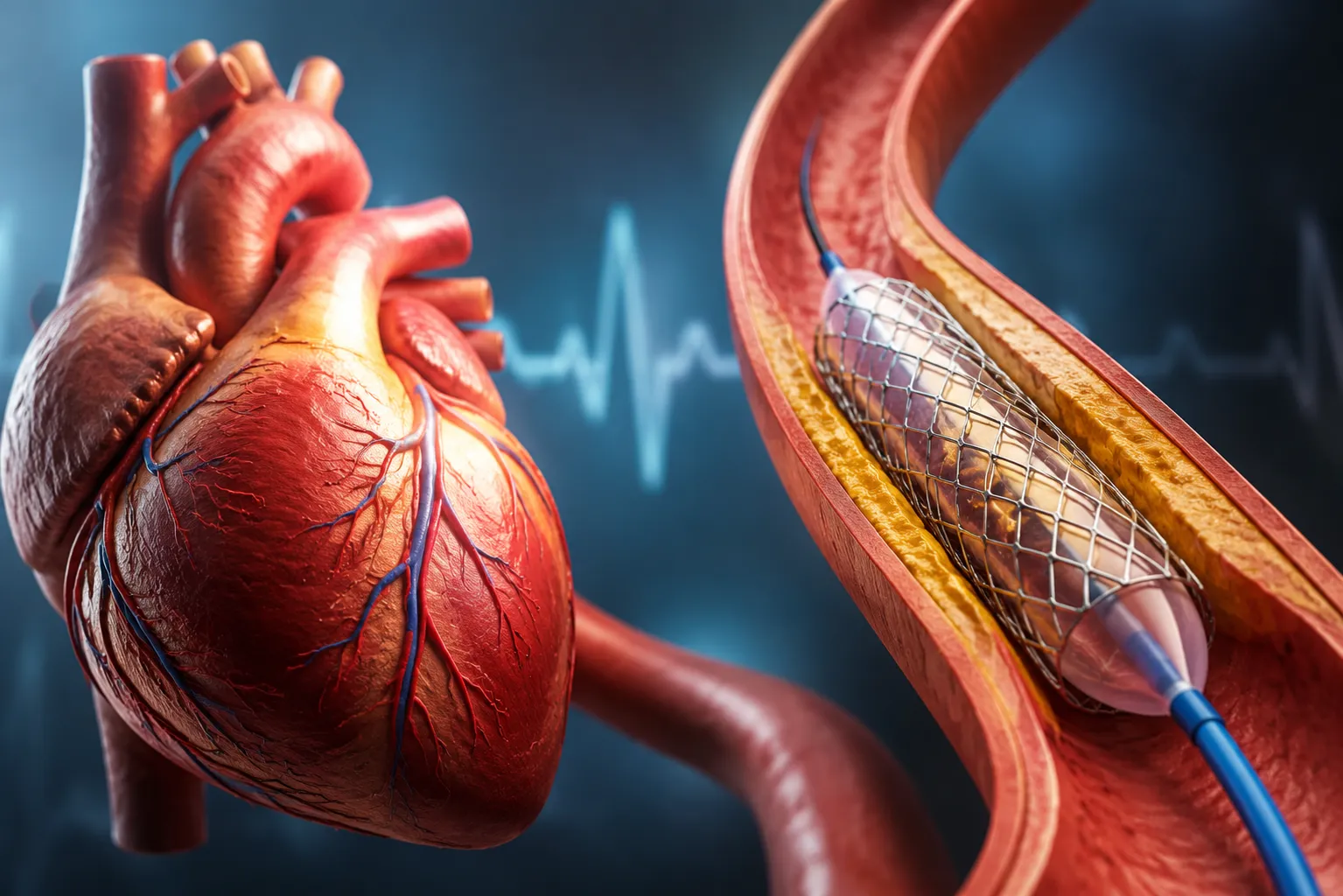
At Dr. Kiran Narang’s clinic in Marol, Andheri East, this typically starts with a proper cardiac assessment and consultation, followed by the right tests to confirm what’s going on. Depending on what those tests show, care may involve hypertension treatment for blood pressure that isn’t responding to standard medication and lifestyle changes, 2D echocardiography to assess how well the heart’s chambers and valves are functioning, angiography to map out exactly where and how severe a blockage is, angioplasty to reopen a blocked artery and restore blood flow, or pacemaker surgery for arrhythmias that need a device to keep the heart rhythm steady.
Each of these exists precisely because catching the warning signs early opens up more options: minimally invasive procedures instead of major surgery, shorter recovery, and a quicker return to normal life.
When Should You See a Cardiologist?
Chest discomfort, breathlessness, dizziness, blood pressure that won’t come down, or diabetes showing up alongside any heart-related symptom, any combination of these is worth a real conversation with a cardiologist in Mumbai rather than just waiting to see if it gets worse. And there’s a good reason for that: a blockage, a valve problem, or an arrhythmia caught early almost always leaves more options on the table than the same thing caught late.
It helps to write down what symptoms you’re experiencing, when they occur, and any test results or diagnoses you already have before your visit. That information makes it considerably easier for your doctor to decide the right next step, whether that’s further cardiac testing or a direct referral for intervention.
Noticed any of these warning signs in yourself or a family member? Book a consultation with Dr. Narang to get a clear read on what's going on.
Why Choose Dr. Kiran Narang for Interventional Cardiology in Mumbai?
Dr. Narang is an interventional cardiologist with over 12 years in clinical medicine (MBBS, MD, DM Cardiology, DNB Cardiology), with direct experience across the full range of catheter-based procedures, from diagnostic angiography through to angioplasty and pacemaker implantation. Treatment decisions follow current ESC, ACC, and CSI guidelines, and the clinic offers ECG, 2D echocardiography, and angiography under one roof, so a warning sign doesn’t turn into weeks of referrals before it’s actually investigated. A radial-first approach is used wherever clinically appropriate, supporting faster, more comfortable recovery from any procedure that follows. The clinic is located at Hridyarambh Clinic, Vasant Oasis, Makwana Road, Marol, Andheri East, Mumbai.